
Table of Contents
- Start With Your Kids Birthday Party Timeline Template
- How to Budget for a Child’s Birthday Party
- Choose Your Party Venue and Activities
- Create Your Kids Birthday Party Checklist
- Plan Food, Beverages, and Party Favors
- Send Invitations and Manage Guest Confirmations
- Set Up Your Party Day Schedule
- Conclusion
Last Updated: August 16, 2026
Start With Your Kids Birthday Party Timeline Template
Planning a successful kids birthday party requires working backward from your target date. A birthday party timeline template gives you a clear roadmap so nothing gets overlooked and you’re not scrambling the night before.
Start planning at least 8-12 weeks ahead for larger parties or during peak seasons. This timeframe lets you secure your preferred venue, book entertainment or rentals, and order supplies without rush fees. For smaller, casual gatherings, 4-6 weeks is often sufficient, but earlier planning always reduces stress.
Your timeline should account for major milestones: venue booking (8-10 weeks out), sending invitations (4-6 weeks out), confirming RSVPs (2 weeks out), finalizing food orders (1-2 weeks out), and completing decorations and setup (1-2 days before). Each phase builds on the previous one, so delays cascade. At RI Party Store, we recommend creating a written checklist tied to specific dates so you can track progress weekly.
The key is breaking the process into manageable chunks rather than trying to handle everything at once. A good template includes columns for task, deadline, responsible person, and completion status. This transparency keeps everyone on the same page, especially if you’re coordinating with a partner, family member, or event coordinator.
How to Budget for a Child’s Birthday Party
Budgeting for a child’s birthday party starts with defining your total spend limit and then allocating funds across categories. Most families find that breaking costs into venue, food, entertainment, decorations, and party favors creates clarity around where money goes.
Begin by deciding your overall budget. This depends on guest count, your financial situation, and how elaborate you want the celebration. Once you have a number, divide it proportionally: venue typically takes 25-40% of budget, food and beverages 20-30%, entertainment or rentals 15-25%, decorations 10-15%, and favors 5-10%. These percentages shift based on your priorities.
Venue costs vary dramatically. Renting a dedicated party space costs more than hosting at home or in a public park, but you gain convenience and built-in activities. Food costs scale with headcount and complexity, simple pizza and cake runs far cheaper than catered meals. Entertainment or rentals (bounce houses, face painters, character appearances) add significant cost but create memorable experiences that kids talk about for months.
One practical approach: identify your non-negotiables first. If your child wants a bounce house, budget that before anything else. If you’re committed to a specific venue, lock that cost in. Then allocate remaining funds to other priorities. This prevents overspending on low-priority items while underfunding what matters most.
Track spending as you book vendors and purchase supplies. Many families use a simple spreadsheet to monitor actual costs against budgeted amounts. This prevents surprises and lets you adjust if you’re trending over budget. RI Party Store offers supplies and rentals with transparent pricing, so you can plan accurately without hidden fees.
Choose Your Party Venue and Activities
Your venue choice shapes the entire party experience. The venue determines what activities are possible, how many guests you can accommodate, whether weather is a concern, and how much setup you’ll need to do yourself.
Indoor Play Areas and Venues
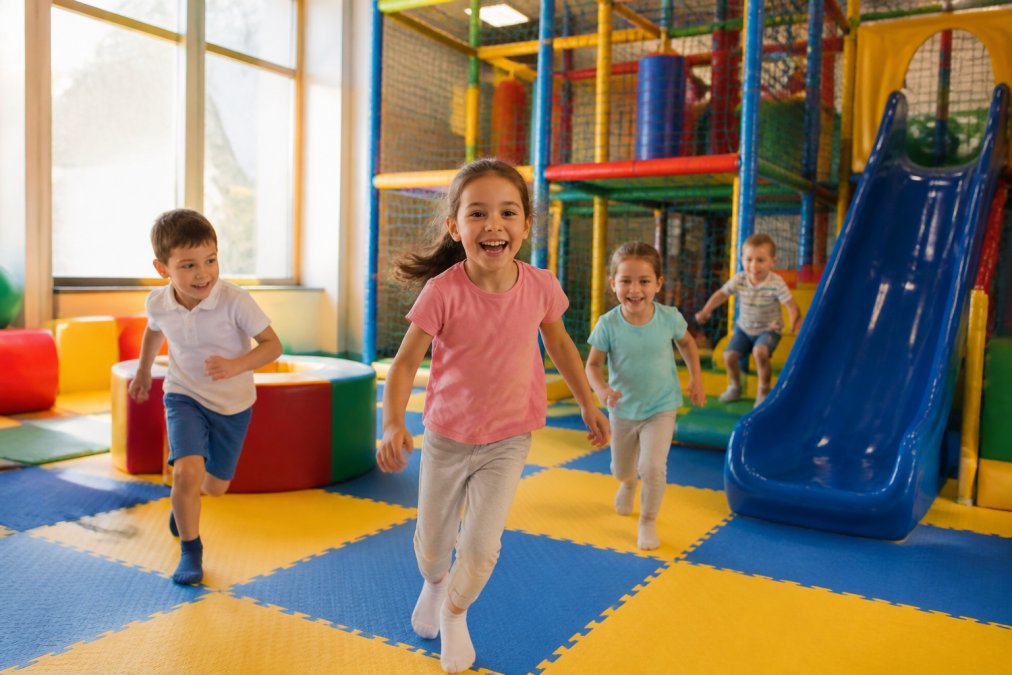
Indoor venues provide climate-controlled environments and often include built-in entertainment options. Dedicated party spaces designed for children typically offer package deals that bundle venue rental with activities, tables, decorations, and sometimes food service.
Common indoor options include trampoline parks, gymnastics facilities, bowling alleys, art studios, science centers, and commercial play spaces. These venues appeal to kids because the activities are engaging and require minimal parent coordination, the facility staff manage the entertainment.
When evaluating an indoor play area, ask about guest capacity, activity options for different age groups, included amenities (tables, chairs, decorations), food policies (can you bring outside food or must you purchase from them), and what’s included versus what costs extra. Some venues charge per child for activities, while others bundle everything into a flat rental fee. Understand the full cost structure before committing.
Check safety protocols and cleanliness standards. Ask how often equipment is sanitized, whether staff are trained in first aid, and what supervision is provided during activities. These details matter when you’re entrusting your child’s safety to a facility.
Outdoor Venues and Seasonal Options
Outdoor venues offer more space and a different atmosphere than indoor facilities. Parks, backyards, beaches, and gardens provide flexibility for custom activities and often cost less to rent than commercial party spaces.
The trade-off is weather dependency. Spring and early fall typically offer the most reliable weather. Summer can be hot, and rain is always a possibility. Plan a weather backup: have an indoor alternative identified or arrange a tent rental for outdoor spaces.
Outdoor venues work well for active games, water activities, nature-based entertainment, and large guest counts. They’re ideal if you want to bring in your own entertainment (face painter, balloon artist, musician) or run DIY activities. You’ll handle more setup and cleanup, but you gain complete control over the experience.
Consider logistics: Is there parking for guests? Restroom facilities? Shade or shelter? Tables and chairs for eating? Power access if you need it for sound equipment or inflatable rentals? These practical details determine whether an outdoor venue feels like a smooth celebration or a logistical headache.
Seasonal planning matters. Summer parties risk heat exhaustion and sun exposure. Fall and spring offer mild temperatures. Winter is challenging in many regions but works for themed parties (ice skating, winter games). Spring and summer are peak party season, so venues book up quickly and prices may be higher.
Create Your Kids Birthday Party Checklist
A kids birthday party checklist ensures you don’t overlook critical details. A comprehensive checklist covers venue, guest list, invitations, food and beverages, decorations, entertainment, party favors, and day-of logistics.
Pre-Party Planning (8-12 weeks before):
- Set party date and time
- Decide on theme and guest count
- Book venue and confirm availability
- Reserve entertainment or rentals (bounce house, character, face painter)
- Plan menu and identify food vendors or catering
Invitations and RSVPs (6-4 weeks before):
- Design and send invitations (digital or printed)
- Include RSVP deadline and contact information
- Track responses and follow up on non-responses
- Note any dietary restrictions or allergies mentioned by parents
Supplies and Decorations (4-2 weeks before):
- Purchase or rent decorations (balloons, streamers, banners, table settings)
- Order cake or cupcakes
- Buy party favors and goodie bag items
- Confirm all vendor bookings with written confirmations
- Plan playlist or entertainment schedule
Final Week:
- Confirm final headcount with venue and caterer
- Verify all vendor arrival times and setup requirements
- Prepare party playlist and test sound equipment
- Assemble goodie bags
- Charge camera and prepare to take photos
Day Before:
- Confirm weather forecast and activate backup plans if needed
- Set up decorations at home (if home party)
- Prepare any DIY food items
- Lay out supplies, games, and activities
- Get adequate sleep
Party Day:
- Arrive early to venue for setup (if applicable)
- Test all entertainment and activity equipment
- Set up food and beverage stations
- Greet guests as they arrive
- Manage activity flow and timing
- Take photos throughout the party
- Oversee cleanup or arrange with venue staff
Breaking the process into these phases prevents last-minute panic. Assign tasks to family members or helpers so responsibility is clear. RI Party Store can supply decorations, balloons, tableware, and rental equipment, consolidating your vendor list and simplifying coordination.
Plan Food, Beverages, and Party Favors
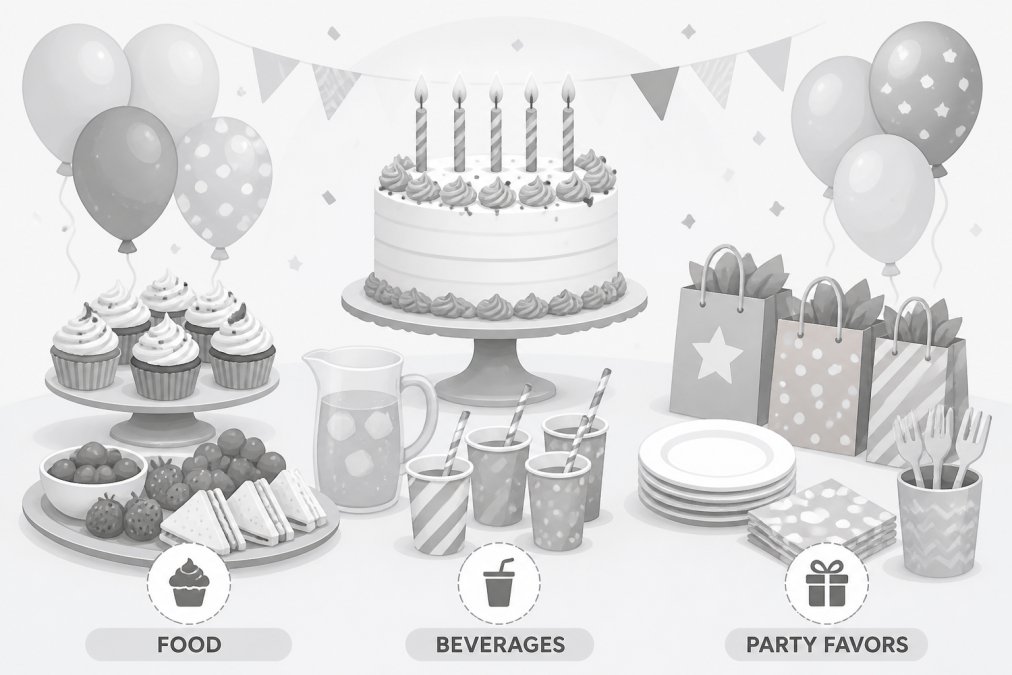
Food and beverages set the tone for the party and directly impact guest satisfaction. Party favors send guests home happy and create lasting memories of the celebration.
Food Options:
Simple, kid-friendly foods work best. Pizza is a reliable choice because most kids eat it, it’s easy to serve, and it doesn’t require much preparation. Hot dogs, sandwiches, and pasta are other classics that appeal to broad palates.
Offer variety to accommodate dietary preferences: vegetarian options, allergy-friendly choices, and foods that appeal to different age groups. Communicate with parents beforehand about allergies and dietary restrictions so you can plan accordingly.
Dessert is non-negotiable. A birthday cake or cupcakes are the centerpiece of the celebration. Many bakeries offer custom designs tied to party themes. Alternatives include ice cream cake, donut towers, or candy buffets if you want something different.
Beverages:
Provide water, juice boxes, and age-appropriate drinks. Avoid excessive sugar if possible, it amplifies hyperactivity during the party. Lemonade, iced tea, and punch are popular choices. Have extra water available, especially for outdoor summer parties.
Party Favors:
Favors should be small, age-appropriate, and align with your party theme. Typical options include toys, stickers, coloring books, candy, or small games. Dollar stores and party supply retailers offer bulk options that keep costs reasonable. Avoid items that are choking hazards for young children or that parents might find annoying (loud toys, excessive candy).
Present favors in goodie bags or boxes so guests leave with something tangible from the celebration. This creates a positive final impression and gives kids something to remember the party by.
Send Invitations and Manage Guest Confirmations
Invitations set expectations and determine your final guest count, which affects venue capacity, food quantities, and rental needs. Send invitations 4-6 weeks before the party to give families adequate notice.
Include essential information: party date, time, location with directions, RSVP deadline, contact information, and any relevant details (theme, dress code, whether siblings are invited). Specify whether parents are invited to stay or if it’s a drop-off party. Mention dietary restrictions or allergies you’re accommodating so parents can plan accordingly.
Use digital invitations (email, text, or platforms like Evite or Facebook) for convenience and easy tracking. Printed invitations feel more personal but require more effort. Many families use a hybrid approach: digital for close friends and family, printed for a broader guest list.
Set a clear RSVP deadline, typically 2 weeks before the party. Follow up with non-responders a week before the deadline. This gives you firm numbers for catering, seating, and activity planning.
Track RSVPs in a simple spreadsheet: guest name, number of attendees, dietary restrictions, and confirmation status. This becomes your reference for final headcount, seating arrangements, and food preparation.
Set Up Your Party Day Schedule
A structured party day schedule keeps activities flowing smoothly and prevents dead time when kids get bored or restless. Build your schedule around the party’s duration, guest age, and planned activities.
Sample 2-Hour Party Schedule:
0:00-0:15, Arrival and free play. Greet guests as they arrive. Let them settle with low-key activities (coloring, building blocks, or outdoor play depending on venue).
0:15-0:45, Structured activity or entertainment. This might be the main entertainment (bounce house, character appearance, craft activity) or organized games.
0:45-1:15, Food and beverages. Gather everyone for snacks, lunch, or cake. Keep this relaxed and social.
1:15-1:45, Second activity or more games. If the first activity was structured, do something more free-form. If it was free-form, introduce a game or activity.
1:45-2:00, Wind down and departure. Transition to quieter activities as parents arrive for pickup. Hand out party favors as guests leave.
This schedule is flexible. Adjust timing based on your party’s focus. A party centered on a single activity (bowling, trampoline park) has a different rhythm than a home party with multiple activities.
Build in buffer time. If an activity runs long, you have flexibility. If something wraps early, you have backup games or activities ready. Kids’ energy levels vary, so adaptability matters more than rigid adherence to timing.
Assign roles to helpers (your partner, family member, or friend). One person manages food, another oversees activities, another handles photos and favors. Clear roles prevent confusion and ensure someone is always attending to guest needs.
Planning a kids birthday party involves coordinating multiple moving parts: venue, food, entertainment, decorations, and guest management. The process feels overwhelming until you break it into phases with clear deadlines and checklists.
Start early, prioritize what matters most to your child, and use tools like timeline templates and checklists to stay organized. RI Party Store simplifies the process by offering party supplies, decorations, balloons, rentals, and event equipment all in one place. From bounce houses and foam parties to tableware and costumes, having access to high-quality, clean equipment and dependable service removes stress from celebration planning. Shop now and turn your child’s birthday into a memorable celebration without the headache.
Frequently Asked Questions
How far in advance should I plan a kids birthday party?
Start planning 6-8 weeks before the party date, especially if you're booking a venue or renting equipment. This timeline gives you time to secure your preferred location, send invitations, and arrange any custom decorations or catering. For popular venues during peak season (spring and summer), planning 2-3 months ahead ensures better availability. A solid birthday party timeline template helps you track each milestone and avoid last-minute stress.
What's a realistic budget for a kids birthday party?
Budgets vary widely based on guest count and venue choice. A home-based party with 10-15 kids might cost $200-400, while a venue-based party for 20 kids typically ranges from $400-800. When you budget for a child's birthday party, allocate roughly 40% for venue/activities, 30% for food and drinks, 20% for decorations and supplies, and 10% for party favors. Remember that in-store pickup of supplies saves money compared to separate vendors, and many local venues offer all-inclusive packages that simplify budgeting.
How do I create a kids birthday party checklist so I don't forget anything?
A comprehensive kids birthday party checklist should include: venue booking and deposit, invitations sent and RSVPs tracked, supplies and decorations purchased, food and beverages ordered, party favors selected, entertainment or activity details confirmed, rental equipment delivery arranged, backup weather plan (if outdoors), and day-of setup timeline. Break your checklist into 8-week, 4-week, 2-week, and 1-week milestones so tasks don't pile up. Digital checklists or printable templates help you stay organized and delegate tasks to family members.
What's the best way to handle invitations and guest confirmations?
Send invitations 2-3 weeks before the party via email, text, or printed cards, whichever fits your guest list. Request RSVPs at least 10 days before the event so you can finalize headcount for food and activity planning. Use a simple response method like a Google Form, email reply, or phone confirmation. Follow up with non-responders 5 days before the party. Knowing exact guest numbers helps you coordinate with your venue, adjust catering quantities, and prepare the right number of party favors and activity materials.
This article was written using GrandRanker